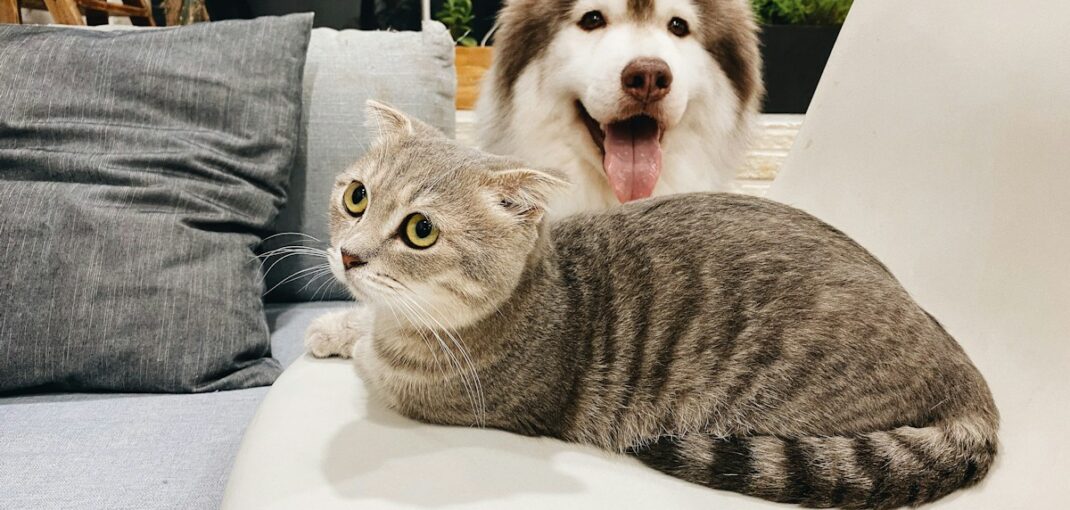
Helping a Surviving Dog or Cat After a Companion Dies can raise difficult questions for families. The following guidance explains practical signs to monitor, ways to protect comfort, and when veterinary advice is important. It is educational and does not replace an examination or individualized care plan.
How Pets May Respond to a Loss
When an animal companion dies, surviving dogs and cats sometimes change their routines. They may search familiar rooms, become more vocal, seek extra contact, hide, or sleep differently. Other pets show no noticeable reaction. We cannot know exactly how each animal understands death, but the disappearance of a familiar companion and changes in household routine can be stressful.
Keep the Household Predictable
Try to preserve feeding times, walks, play, and rest schedules. Offer gentle attention when your pet seeks it, without forcing interaction. Dogs may enjoy familiar walks and simple enrichment. Cats often benefit from continued access to preferred hiding spots, perches, and quiet resting areas. Predictability can help an unsettled animal feel secure.
Watch Appetite and Health Closely
Reduced appetite, lethargy, vomiting, or toileting changes can signal illness rather than grief. Seek veterinary advice promptly if a pet stops eating, seems unwell, or deteriorates. Food refusal in cats can become particularly serious. Do not assume a medical symptom will resolve on its own because the household recently experienced a loss.
Allowing Pets to Be Present at Goodbye
Some families consider letting a surviving pet approach the deceased companion. Evidence does not establish that one approach is necessary for every animal. Consider the pet’s temperament, the setting, and safety, and follow the veterinarian’s guidance. There is no reason to force an interaction if an animal seems distressed or uninterested.
Supporting Different Personalities
A social dog may need additional companionship, while a cautious cat may prefer more quiet time. Observe the individual animal instead of expecting a particular grief response. If changes persist or become severe, ask your veterinarian about behavioral and medical evaluation. Comfort should be offered without creating new pressure or overstimulation.
Should You Adopt Another Pet Immediately?
A new animal is not a guaranteed solution to distress and may introduce additional stress. Consider the surviving pet’s temperament, age, and health before making a long-term decision. If a new companion eventually joins the home, introductions should be gradual and carefully supervised.
When Extra Help Is Needed
Persistent anxiety, withdrawal, aggression, appetite changes, or disruption to daily life deserves veterinary assessment. Families are grieving too, and maintaining small reliable routines may help everyone. There is no fixed timetable for adjustment, but worsening symptoms should not be ignored.
For guidance tailored to your pet, contact your veterinarian or Pet Home Euthanasia to discuss available services and next steps.