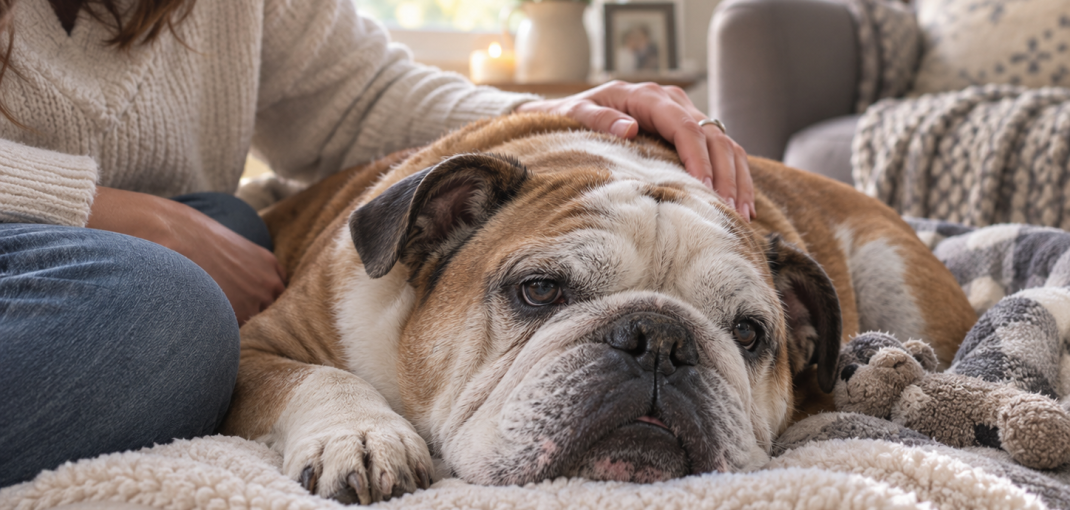
When a pet is nearing the end of life, families sometimes schedule an in-home euthanasia appointment and then the pet passes naturally before the veterinarian arrives. Even when you knew death was approaching, the moment can feel sudden and leave you unsure what to do next.
There is usually no need to rush unless you are uncertain whether your pet has actually passed or there are unusual circumstances. Take a moment with your pet, contact your veterinarian or end-of-life provider, and ask for guidance about aftercare arrangements.
First, Make Sure You Know What Has Happened
A pet who is extremely weak, unconscious, or breathing very shallowly can sometimes appear to have died. If you are not certain, call a veterinarian promptly for guidance. If your pet has passed, breathing and heartbeat will have stopped and the body will gradually become cooler and less flexible.
If the death was unexpected, involved trauma, possible poisoning, or occurred after a sudden unexplained medical event, contact a veterinarian before making aftercare decisions. They can advise whether an examination may be appropriate.
Give Yourself Time to Say Goodbye
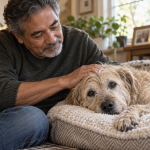
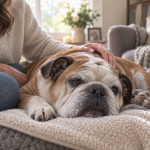
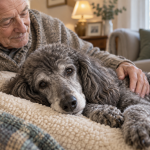
If your pet has passed peacefully at home, you do not have to immediately move them or make every decision at once. Many families want a little private time first. You may want to sit with your pet, allow family members to say goodbye, take a paw print, save a small clipping of fur, or simply be quiet together.
If children or other pets are in the home, decide what feels appropriate for your household. Some families allow another pet to see and smell their companion after death. Others choose separation. There is no single correct approach.
Keep Your Pet in a Cool, Quiet Place While You Make Arrangements
After death, natural physical changes begin. If transport or pickup will not happen immediately, keep your pet in a cool indoor area away from direct sunlight. A favorite blanket, towel, or waterproof layer can be placed beneath the body. Your veterinarian, cremation provider, or end-of-life service can give you specific instructions based on your pet’s size and how long the wait may be.
Avoid attempting complicated handling if your pet is very large or if moving them could put you at risk of injury. Ask another adult for help or request professional pickup when available.
Call the Scheduled Euthanasia Provider
If you already had an appointment scheduled, let the provider know your pet has passed. They can cancel the euthanasia visit and may be able to help you understand available aftercare options or refer you to an appropriate cremation or memorial service.
Pet Home Euthanasia’s Resources page includes Phoenix-area emergency and pet aftercare resources. You can also review Services & Fees for current information about cremation options associated with in-home euthanasia services.
Understanding Aftercare Choices
Common aftercare choices include individual cremation with ashes returned, communal cremation or other arrangements where ashes are not returned, and home burial where permitted by local rules and property circumstances. Availability and requirements vary, so confirm details with the provider you choose.
If you want a fuller overview of what families often consider after a pet dies, Pet Home Euthanasia also has guidance on what happens after pet euthanasia. The same planning questions about cremation, ashes, and keepsakes can be useful after a natural death at home.
What If Your Pet Passes Overnight or on a Weekend?
If your pet passes outside normal veterinary hours and you are comfortable that they have died naturally, you can call your regular veterinarian, an emergency veterinary hospital, or a local pet aftercare provider for instructions. You do not necessarily need to rush to an emergency hospital solely because a death occurred at home, but you should seek veterinary guidance if you are unsure of the situation.
If your pet is still alive and appears to be suffering, do not wait for a future scheduled appointment when there is severe breathing difficulty, uncontrolled pain, repeated or prolonged seizures, severe bleeding, collapse, major trauma, or another active emergency. Contact an emergency veterinarian immediately.
It Is Normal to Feel Unprepared Even When You Were Expecting It
Families often spend so much time preparing for the euthanasia decision that they are surprised by how disorienting a natural death can feel. You may feel sadness, relief that suffering has ended, guilt that the appointment did not happen, or uncertainty about whether you should have done something differently.
A natural death before a planned appointment does not mean you failed your pet. End-of-life timelines can change quickly. What matters now is caring for yourself, treating your pet’s body respectfully, and choosing the aftercare option that feels right for your family.
Help for Phoenix-Area Families
If your pet has passed at home and you had been planning in-home euthanasia, you can contact Pet Home Euthanasia for guidance about your scheduled visit and available next steps. Call or text (602) 321-4022 for current availability and information.
Pet Dies at Home FAQs
What should I do first if my pet dies at home?
If you are certain your pet has passed, take the time you need, then contact your veterinarian, end-of-life provider, or pet aftercare service for guidance. If you are unsure whether your pet has died, contact a veterinarian promptly.
Can a cremation service still help if euthanasia was never performed?
Yes. Pet cremation and aftercare providers commonly assist families after natural death at home. Ask about pickup, individual versus communal options, timelines, and whether ashes will be returned.
What if my pet is still alive but suddenly getting much worse?
A pet in an active medical emergency should be evaluated promptly. Severe breathing difficulty, uncontrolled pain, major trauma, prolonged seizures, severe bleeding, or collapse should not wait for a scheduled home appointment.